Unraveling the historical evolution of gambling practices through the ages
Origins of Gambling in Ancient Civilizations
The origins of gambling can be traced back to ancient civilizations, where it served both entertainment and spiritual purposes. In Mesopotamia, clay tablets dating back to 3000 BCE reveal that games of chance were played with dice, believed to be a means to communicate with the gods. Interestingly, ancient Egyptians also participated in various games, making use of knucklebones and rudimentary betting systems, which evolved into a pastime that could include activities such as best football betting sites UK. These early practices laid the foundation for gambling as a social activity.

In ancient China, gambling was also prevalent, with evidence of a lottery system as early as 205 BCE. This was not only a form of entertainment but was often linked to agricultural practices and state welfare, where the lottery proceeds would support public projects. Furthermore, the Chinese invention of dominoes and card games contributed to the development of gambling practices across East Asia, influencing cultural perceptions of chance and luck.
The Greeks and Romans took gambling to new heights, introducing structured betting systems. The Greeks enjoyed games such as ‘Petteia,’ which involved betting on the outcome. The Romans popularized dice games and betting on gladiatorial contests, reflecting their culture’s valorization of chance and fate. The evolution of these practices emphasized the social aspects of gambling, with the rise of taverns and gaming houses acting as communal spaces for this pastime.
The Medieval Period and Its Influence on Gambling
The Medieval Period marked a significant transition in gambling practices, influenced heavily by the spread of card games. Originating in Asia, card games made their way to Europe through trade routes, becoming immensely popular. By the 14th century, gambling had become ingrained in European culture, with various nations developing their own unique games and betting practices. This era saw the establishment of formalized gambling rules, leading to organized events and competitions.
During this time, gambling was often intertwined with social class dynamics. The nobility engaged in high-stakes games, while commoners participated in simpler, more accessible forms of betting. This stratification was notable in England, where the introduction of gaming houses attracted both the wealthy and the working class, fostering a complex relationship between socioeconomic status and gambling practices. The establishment of the first lotteries in the 16th century further democratized gambling, offering opportunities for many to participate in games of chance.
Religious perspectives also played a crucial role during the Medieval Period, with varying opinions on the morality of gambling. While some viewed it as a vice, others acknowledged its role in fostering community and recreation. The Church’s influence led to a push for regulation, ultimately shaping the way gambling was perceived and practiced. This multifaceted nature of gambling during the Medieval Period laid the groundwork for its acceptance and integration into society in later years.
The Renaissance to the Industrial Revolution: Gambling’s Transformation
The Renaissance ushered in a new era for gambling, characterized by an explosion of creativity and exploration, including advancements in gaming. The development of playing cards evolved during this time, leading to the creation of unique games such as baccarat and poker, which became staples in gambling culture. Furthermore, the establishment of dedicated gambling houses in cities across Europe transformed how people engaged with games of chance, making them more accessible and regulated.
The Industrial Revolution brought about significant changes in gambling practices, with urbanization leading to an increase in leisure time for the working class. The proliferation of railways allowed easy access to gambling establishments, such as racetracks and gaming halls. This era saw the birth of organized sports betting, where punters could place bets on horse races and other sporting events, adding a new dimension to the gambling landscape and further integrating it into daily life.
Additionally, the 19th century saw the rise of state-sponsored lotteries, providing a means for governments to generate revenue while simultaneously allowing citizens to engage in gambling. This not only legitimized gambling but also shifted the perception of it from a mere pastime to a potential source of public funding. The socio-economic impacts of these developments were profound, as gambling became a significant part of societal infrastructure and economic systems.
Modern Gambling: Legalization and Digital Transformation
The 20th century marked a significant turning point in gambling, with many countries beginning to legalize and regulate various forms of betting. Las Vegas emerged as the gambling capital of the world, creating a global hub for all things related to chance. The establishment of the casino industry transformed the gambling experience, emphasizing luxury and entertainment. This era also saw the introduction of regulations aimed at preventing fraud and ensuring fair play, fostering a sense of trust and security among gamblers.
The rise of technology further revolutionized gambling practices. The introduction of online casinos and mobile betting platforms in the late 1990s made gambling more accessible than ever. Players could engage in their favorite games from the comfort of their homes, expanding the reach of gambling beyond physical locations. This shift not only diversified the types of games available but also created opportunities for innovations such as live dealer games and virtual reality experiences.
Today, the gambling landscape continues to evolve, reflecting changes in society, technology, and consumer preferences. The rise of cryptocurrencies and blockchain technology is paving the way for decentralized gambling platforms, which promise enhanced security and anonymity. As gambling becomes increasingly integrated into mainstream culture, it is essential to consider the implications of these developments on responsible gambling practices and the ongoing discourse surrounding regulation and ethics in the industry.
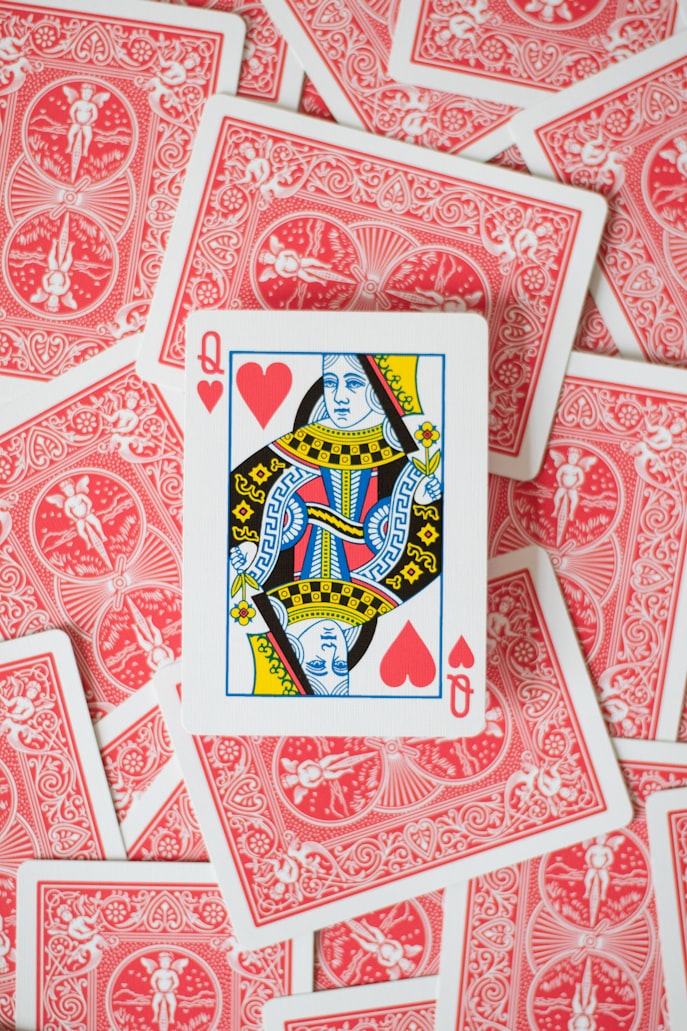
Exploring Gambling Culture on This Website
This website serves as a comprehensive resource for understanding the intricate world of gambling, offering insights into its rich history and ongoing evolution. By exploring various aspects of gambling culture, from ancient practices to modern innovations, we aim to provide readers with an in-depth perspective on how gambling has shaped societies across the globe. Our content is designed to engage both novices and seasoned gamblers alike, fostering a deeper appreciation for this multifaceted activity.
Our articles delve into the social, economic, and cultural implications of gambling, highlighting trends and shifts within the industry. We encourage readers to explore our diverse range of topics, including responsible gambling practices, the impact of technology, and the future of gambling in a rapidly changing world. Through our exploration of history, we strive to illuminate the ways in which gambling continues to influence human behavior and societal structures.
